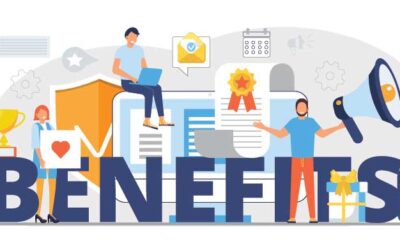

Employee benefits administration is how an organization manages and controls its benefits program. It involves designing, implementing, overseeing, and evaluating the benefits that employees receive, including health insurance, retirement plans, leave policies, and other perks. This article explores the importance of benefits administration and outlines the process for HR professionals.
Importance of Employee Benefits Administration
Effective benefits administration is crucial for several reasons:
- Recruitment and Retention: A well-administered benefits program can significantly draw prospective employees and retain current staff by enhancing job satisfaction.
- Compliance: Benefits administration ensures an organization complies with all relevant laws and regulations, avoiding costly penalties.
- Cost Management: It helps control costs by providing benefits efficiently and without waste.
- Employee Well-being: A focus on benefits supports employees’ physical, mental, and financial well-being, leading to a healthier and more productive workforce.
The Benefits Administration Process
The process of benefits administration typically includes the following steps:
- Designing the Benefits Package: Assessing employee needs and organizational goals to create a competitive and cost-effective package.
- Vendor Selection and Management: Choosing and managing relationships with vendors that provide benefit services.
- Enrollment Management: Coordinating the enrollment process for new hires during the open enrollment period.
- Data Management: Maintaining accurate records of benefit elections, employee statuses, and beneficiary information.
- Communications: Informing employees about their benefits and any changes to the program.
- Compliance and Reporting: Ensuring the benefits program meets all applicable laws and reporting requirements.
- Evaluation and Improvement: Regularly reviewing the program’s effectiveness and making adjustments as needed.
Employee Benefits Administration Software
Integrating employee benefits administration software streamlines the entire benefits lifecycle, from design to delivery and evaluation. This technology enables HR professionals to automate enrollment processes, maintain a centralized database for benefits management, and ensure adherence to changing laws and regulations. It also aids in controlling costs through detailed analytics and reporting features, facilitating effective communication with employees about their benefits options, and assisting in strategic decision-making.
A Strategic Mindset
Employee benefits administration is a dynamic component of HR that directly impacts an organization’s success. HR professionals must approach benefits administration with a strategic mindset, balancing the needs of employees with the financial and operational goals. A well-run benefits program is not just about the benefits themselves but how they are managed to align with the broader objectives of employee satisfaction and organizational growth.
RSS Inc. Review: Nationwide Strike Staffing and Industrial Workforce Solutions You Can Rely On
Within the current climate of workforce volatility, logistics disruptions, and the rising frequency of labor disputes, RSS Inc. has established itself as one of the most specialized staffing partners in North America. Operating nationwide for over three decades, RSS...
Top 10 Manufacturing Staffing Agencies in the U.S.
The Best Partners for Industrial, Skilled Trades, and Contingency Labor In the manufacturing economy, businesses grapple with a volatile landscape characterized by unpredictable supply chains, persistent skilled labor shortages across various trades, and...
7 Workplace Safety Guidelines for Your HR Department
Establishing a Safety-First Culture In the world of Human Resources, the safety of employees is not just a policy but a cornerstone of a thriving workplace. Establishing a safety-first culture is an ongoing process that requires commitment, communication, and a...
Ensuring a Safe and Compliant Environment
Laying the Groundwork: HR's Dual Influence on Safety HR plays a pivotal role in shaping the safety culture in the intricate web of workplace dynamics. Their influence is twofold: direct and indirect. Directly, HR is at the helm of implementing safety training,...
Beyond Benefits: Why Corporate Culture Is Important
In the competitive landscape of talent acquisition and retention, human resources professionals continuously seek strategies to attract and retain top talent. While compensation and benefits are fundamental, there's a growing recognition of the importance of company...